
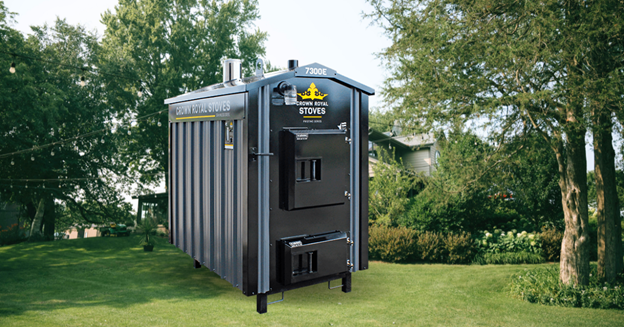
The pursuit of energy independence often leads homeowners and business owners to a critical question: how do we achieve reliable, cost-effective heating that reduces reliance on fluctuating utility grids? For many, the answer lies in leveraging a foundational, renewable resource, wood. The traditional process, however, is messy, inefficient, and demands constant attention. This problem is solved by modern, high-efficiency systems. These systems specifically include the advanced outdoor wood stove design. They are situated away from your property to keep the mess outside while delivering continuous, comfortable heat indoors.
This shift toward external heating units represents a major step in taking control of your energy future. Choosing the best system, however, depends entirely on adopting modern, clean-burning technology. The era of bulky, smoky, “standard” wood furnaces is over. Today’s leading appliances utilize sophisticated engineering to maximize every piece of wood you burn. Our expertise lies in guiding you toward these optimized solutions, offering superior performance and significant savings.
Understanding the Modern Outdoor Wood Stove
The term outdoor wood stove now primarily refers to an advanced hydronic heating system. It is essentially a boiler housed outside your home or business. This unit heats water. The heated water is then circulated through insulated underground lines to a heat exchanger. This exchanger connects to your existing heating system.
The Power of Gasification Technology
The most significant factor defining the “best” outdoor wood stove today is its efficiency rating. This efficiency is driven by gasification technology.
- How it Works: Gasification boilers use secondary combustion. They burn the wood. Then, they introduce a measured amount of high-temperature air to burn the resulting smoke and wood gases a second time.
- The Benefit: This process extracts significantly more heat energy from the wood. It means you burn less wood. Some models use 30% to 50% less fuel. It also achieves much longer burn times between loadings. This results in far fewer emissions, meeting strict EPA Phase 2 Certification standards.
Titanium-Enhanced Stainless Steel Construction
The longevity and durability of your investment rest on the materials used in its construction.
- Corrosion Resistance: The firebox and water jacket of a high-quality outdoor wood stove must withstand continuous high heat and corrosive elements. These include creosote and wet ash.
- The Superior Material: The best units are built using Titanium-enhanced 409 Stainless Steel. This material offers maximum resistance to corrosion and warping from high temperatures. It translates directly to a longer service life. It also provides better heat transfer compared to less durable materials like mild steel.
High-Efficiency Water Circulation
The system is only as good as its ability to move heat efficiently to your indoor space.
- Insulated Piping: The heated water travels to your building through well-insulated underground piping. This piping is often PEX. Top-tier insulated lines ensure minimal heat loss during transfer. This maintains the system’s overall efficiency.
- The Heat Exchanger: Inside the building, a heat exchanger transfers the thermal energy from the boiler water to your existing heating system. This includes forced air, hot water baseboard, or radiant floor heating. The two water supplies never mix. This simple, effective transfer mechanism ensures safe and seamless integration.
Versatile Heating Applications
Modern hydronic heaters provide heat far beyond just your primary building.
- Whole-Property Comfort: The best outdoor wood stove systems are versatile. They are designed to heat your home, detached garage, workshop, barn, and even your domestic hot water, pool, or hot tub.
- Energy Independence: By heating multiple loads from a single, centralized unit, you consolidate your energy source. You gain total control over your heating costs. This reduces your monthly dependency on electric, oil, or gas companies.
Gaining Financial Independence
Switching to a modern, efficient heating system is a major step toward financial and environmental savings. Beyond the immediate fuel savings, significant funding opportunities exist.
We specialize in helping small businesses and agricultural producers navigate complex federal programs. For example, the USDA Rural Energy for America Program (REAP) now offers grant funding. This funding can cover up to 50% of the total eligible project costs for renewable energy systems. We can help determine your eligibility and manage the entire grant writing process.
Final Thoughts: The Right Partner for Your Energy Solution
Choosing the best outdoor wood stove is about selecting the right technology, materials, and support. We ensure every system we recommend is specifically tailored for your needs. This maximizes efficiency and provides long-term reliability. Our team at Rocknoll Energy Systems is committed to delivering optimized, high-quality energy solutions. We provide the expertise and installation confidence you deserve for true energy independence.
Frequently Asked Questions
How often do I need to load wood into a modern outdoor wood stove?
High-efficiency models often require loading only once or twice per day, depending on the weather.
Do I need a special type of wood to burn in an outdoor wood boiler?
Yes, use only well-seasoned hardwood with a moisture content under 20% for efficiency.
Are outdoor wood stoves safe?
Yes. They are installed away from buildings, eliminating indoor fire and smoke hazards effectively.
What is the typical lifespan of a high-quality outdoor wood boiler?
With proper maintenance and quality materials, they can last for 20 years or significantly more.
